
Arkansas Hunting Law: A Comprehensive Guide
Just got a hunting citation?
Here is what you need to know.
If you are reading this, chances are you have received a citation from an Arkansas Game Warden, or you are trying to avoid one. Either way, you have come to the right place.
I‘m Stewart Whaley, an Arkansas hunter and attorney. Having encountered wildlife officers everywhere from the Arkansas Grand Prairie to the remote wilderness of Saskatchewan, I understand how these interactions can quickly escalate from routine checks to serious legal consequences.
Arkansas hunting laws are complex, constantly changing, and the penalties for violations can be severe — often extending far beyond simple fines. This comprehensive guide will help you understand your rights, the laws, and most importantly, when you need professional legal help.
Table of Contents
Quick Reference
Emergency Contact info
Arkansas Hunting Violations Attorney
- stewart@whaley.law
- Free Initial Consultation
- whaley.law
323 Center Street, Suite 1030
Little Rock, AR 72201
413 East Michigan Street
Stuttgart, AR 72160
- Stay calm and respectful with the Game Warden
- Document everything – photos, GPS coordinates, conditions
- Contact an attorney within 24 hours
- Preserve all evidence – don’t alter equipment or areas
- Read citation carefully – note all deadlines and requirements
Critical Deadlines
- Administrative Hearing Request: 10-15 days from notice
- Criminal Court Appearance: As listed on citation
- Bond Posting: Varies by violation type
- License Reinstatement Application: After completion of penalties
You vs. The Game Warden: Why an Attorney is Essential
Picture this: You are enjoying a successful hunting trip when a Game Warden approaches. What happens next can determine whether you walk away with a warning or face thousands in fines, loss of hunting privileges, and even criminal charges.
Arkansas Game Wardens have broad authority to enforce hunting regulations. They can search your vehicle, inspect your equipment, and issue citations that carry both civil and criminal penalties. Unlike a traffic stop, hunting violations often involve complex regulations that even experienced hunters struggle to understand fully.
Administrative Inspection Authority
Administrative inspection: What is it?
A critical difference in a Game Warden’s authority is the right to conduct an “administrative inspection.” When a Game Warden reasonably suspects you are involved in hunting, fishing, or trapping, they can stop and detain you to check for compliance with regulations (Ark. Game & Fish Comm’n Code Regs. §§ 01.00-B, 05.30). This is a lower legal standard than the “reasonable suspicion” or “probable cause” typically required for criminal investigation.
By purchasing a hunting license in a highly regulated industry, a hunter grants a form of implicit consent to administrative inspections. A Game Warden may request to inspect all killing devices, licenses, permits, tags, and harvested wildlife.
Real-World Experiences with Game Wardens
Your attitude during these encounters can be the deciding factor between a warning and serious charges. I witnessed this principle firsthand during a Canadian duck hunt.
While Dad and I were duck hunting in Canada, a large party from South Carolina was using the same outfitter. One evening, Conservation Officers ticketed three groups as they returned to camp but let some violations slide so they could finish their trip. Unfortunately, a genius in the last group challenged them to fight “double or nothing” for his fine. The guys back at camp were not happy when a few of their hunting licenses were suspended the next day.
This experience taught me that respect and cooperation during law enforcement interactions often determine outcomes more than the underlying facts. It also reinforced a lesson from dad, “They have a badge and a gun. Be respectful, we can always deal with it later. Court is better than jail or a grave.”
Why Legal Representation is Critical
Why you need an attorney:
- The stakes are higher than you think. What appears to be a simple violation can result in license suspension, asset forfeiture, and criminal records.
- The law is complex. Arkansas hunting regulations span hundreds of pages, with frequent updates and exceptions that are not obvious to the casual reader.
- Administrative hearings are crucial. Your hunting privileges can be suspended through an administrative process separate from any criminal case — and you have limited time to respond.
- Experience matters. An attorney who knows hunting laws, knows the system, criminal defense, administrative law and hearings, and strategies that work.
Many hunters think they can handle a citation themselves, especially if it seems minor. This is often a costly mistake. Even first-time offenders can face severe penalties, and the consequences of a conviction extend far beyond the courtroom.
I was recently contacted by a hunter that represented himself in court over a citation from the 2024-25 duck season. While he successfully defended one of two charges, he was convicted of the second charge, despite credible evidence in his favor because he was unable to present it in court. The conviction carried a 2-year hunting license suspension. He was looking for an attorney to represent him in an AGFC administrative hearing to appeal the license suspension caused by the conviction.
Note: While AGFC officers are allowed to conduct administrative inspections to check for compliance with regulations, the Arkansas Supreme Court in Pickle v. State found a search for general criminal investigation, after conducting a hunting compliance check without any suspicion of criminal activity is an unconstitutional Fourth Amendment violation.
Common Arkansas Hunting Violations: An Overview

Understanding the most common ones can help you avoid trouble and recognize when you need immediate legal help.
License and Permit Violations
The most frequent citations involve hunting without proper licenses or permits. Arkansas requires specific licenses for different game species, and the requirements change based on your residency status, age, and military service. Common violations include:
- Hunting without a valid license
- Using someone else’s license or permit
- Failing to carry required permits while hunting
- Hunting outside the dates specified on special permits.
From years of cutting fire lanes and positioning stands for optimal shots, I have learned that even well-intentioned habitat improvements can cross legal boundaries. This is particularly important for hunters who invest considerable time and resources in land management.
Hunter Safety Violations
Hunter safety violations are among the most serious penalties because they endanger human life. Having witnessed preventable hunting accidents throughout my career, from minor injuries to life-threatening, I cannot overstate the importance of following safety protocols. These violations include:
- Hunting under the influence of alcohol or drugs
- Discharging firearms within restricted distances of buildings or roads
- Failing to wear required hunter orange
- Hunting on private property without permission
Tagging and Registration Violations
Arkansas requires immediate tagging of certain game species and registration of others. Common violations include:
- Failing to tag deer or elk immediately after harvest
- Using invalid or expired tags
- Failing to register harvested game at required check stations
- Transporting untagged game
Each of these violations carries different penalties and may result in both criminal charges and administrative action against your hunting privileges. The key is understanding that even seemingly minor violations can have major consequences.
Arkansas Waterfowl Regulations: A High-Stakes Deep Dive
Waterfowl hunting represents one of the most heavily regulated and severely penalized areas of Arkansas hunting law. The state’s position along the Mississippi Flyway makes it a premier waterfowl destination and places it under intense federal oversight.

The Federal Connection
Waterfowl hunting is regulated by both state and federal law. The U.S. Fish and Wildlife Service sets seasons, bag limits, and hunting methods, while Arkansas Game and Fish Commission enforces these rules alongside state-specific regulations. This dual jurisdiction means violations can result in both state and federal charges.
Critical Waterfowl Regulations
Arkansas waterfowl hunters must navigate dozens of specific rules:
Licensing Requirements: Beyond your Arkansas hunting license, waterfowl hunting requires a federal duck stamp, state waterfowl stamp, and HIP certification. Each has specific purchase and validation requirements.
Season Dates and Zones: Arkansas divides waterfowl hunting into multiple zones with different season dates. Hunting outside your zone’s season, even by one day, constitutes a violation.
Bag Limits and Species Identification: Daily bag limits vary by species, and hunters must correctly identify ducks and geese. Misidentification is not a defense — you are expected to know what you are shooting.
Shooting Hours: Shooting outside legal hours is a serious violation. Waterfowl hunting is restricted to specific hours, typically 30 minutes before sunrise to sunset. Waterfowl shooting ends at noon on most WMAs.
Equipment Restrictions: Arkansas prohibits the use of lead shot for waterfowl hunting, requires plugged shotguns (three-shell capacity maximum), and restricts the types of boats and blinds you can use.
Baiting: The Most Serious Waterfowl Violation
Baiting waterfowl is a federal crime that can result in felony charges. From countless mornings setting decoy spreads in the dark to eating sunflower seeds in the dove fields — I have seen firsthand how aggressive state and federal agents prosecute baiting cases.
The bait area rules are particularly complex for Arkansas hunters and are a current AGFC focus. The regulations include:
- Placing corn, wheat, or other attractants in hunting areas
- Hunting over agricultural fields that have been manipulated to attract waterfowl.
- Hunting within areas where baiting has occurred, even if you did not place the bait.
The “bait area” extends beyond where bait is placed. Simply hunting in an area where baiting occurs can result in charges, even if you are unaware of baiting.
Penalties for Waterfowl Violations
Waterfowl violations carry several of Arkansas’s most severe hunting penalties:
- Fines can exceed $10,000 for serious violations.
- Federal charges may result in felony convictions.
- License suspensions can last multiple years.
- Equipment and vehicles may be subject to forfeiture.
- Restitution payments for illegally harvested waterfowl can be substantial.
Special Considerations for Non-Residents (Waterfowl)
Out-of-state hunters face additional challenges with waterfowl regulations:
- Higher license fees and bond requirements
- Limited access to information about local regulations
- Difficulty understanding zone boundaries and local conditions.
- Higher likelihood of prosecution for violations
If you are cited for a waterfowl violation, particularly baiting, you need immediate legal representation. These cases often involve both state and federal charges, complex regulations, and severe penalties that can affect your hunting privileges nationwide.
Deer Hunting Laws: Arkansas's Flagship Game
Deer hunting is Arkansas’s most popular hunting activity, and the regulations are complex. With multiple seasons, weapon types, and special management zones, even experienced hunters can unknowingly violate deer hunting laws.

Season Structure and Zones
Arkansas divides deer hunting into multiple seasons based on weapon type and management zones. The state has four major deer zones, each with different season dates, bag limits, and antler restrictions. Understanding which zone you are hunting in is crucial — hunting deer in the wrong zone or outside season dates results in automatic violations.
Antler Point Restrictions (APRs)
Many Arkansas counties have Antler Point Restrictions requiring harvested bucks have a minimum number of points on one side of the antlers. These restrictions vary by county and can change annually. Harvesting a buck that does not meet APR requirements is a serious violation, even if you thought you got it right.
Bag Limits and Tagging
Arkansas deer hunters face daily and season bag limits that vary by zone and weapon type. Every harvested deer must be immediately tagged with the appropriate permit, and some areas require additional validation or registration. Common violations include:
- Exceeding daily or seasonal bag limits
- Failing to tag harvested deer immediately
- Using incorrect tags or permits
- Transporting deer without proper tags
Hunting Methods and Equipment
Deer hunting methods are strictly regulated in Arkansas:
Firearms: Different seasons allow different weapon types, from archery equipment to modern firearms. Using the wrong weapon type during a season is a violation.
Baiting: Unlike waterfowl, baiting deer is not universally illegal in Arkansas.
- Baiting is prohibited in the Chronic Wasting Disease (CWD) Management Zone and on Wildlife Management Areas (WMAs).
- Baiting for deer is allowed on private land within the CWD Management Zone from September 1 to December 31.
- On private land outside the CWD Management Zone, hunters may bait and feed deer year-round.
On Wildlife Management Areas (WMAs) and National Wildlife Refuges (NWRs):
It is unlawful to possess, place, or scatter bait that could lure or attract wildlife for hunting.
Tree Stands and Blinds: With exceptions, it is unlawful to build, attach or occupy any type of structures on a WMA made from common building materials, and all stands must be properly marked with your identifying information. Structures and personal property not in compliance may be removed or destroyed.
Violations often occur when hunters:
- leave stands up past permitted dates or times of day,
- fail to properly identify their equipment,
- do not realize it is unlawful to place or leave any stand, blind or other hunting apparatus with the intent of hunting from any roads or railroad rights-of-way on WMAs.
Hunting Hours: Legal hunting hours vary by weapon type and season, with most restrictions tied to sunrise and sunset times. I learned this lesson the hard way during those pre-dawn walks through the timber, when the excitement of hearing ducks work can make you forget to check your watch, and the sound of someone else shooting early is almost irresistible.
Private Land vs. Public Land
Rules change when you are hunting private or public land:
Private Land: Less restrictions, but you must still follow state bag limits, seasons, and weapon requirements. Landowner permission is required, and hunting near buildings or roads may be restricted.
Public Land: Additional regulations often apply, including special permits, quota systems, and method restrictions. Many public hunting areas have specific rules that differ from general state regulations.
Penalties for Deer Hunting Violations
Deer hunting violations can result in serious consequences:
- Fines ranging from hundreds to thousands of dollars.
- Restitution payments for illegally harvested deer (often $400+ per deer).
- License suspension lasting multiple seasons.
- Loss of hunting privileges on public land.
- Criminal charges for serious violations.
Special Seasons and Permits
Arkansas offers numerous special deer hunting seasons and permits:
- Youth seasons with special rules and requirements.
- Disabled hunter permits with modified regulations.
- Special military seasons for active duty and veteran hunters.
- Urban deer seasons with unique bag limits and methods.
Each special season carries its own regulations and violation penalties. Hunters participating in these seasons must understand the specific rules that apply.
Collateral Consequences: Beyond Fines
When most hunters receive a citation, they focus on the immediate penalty — the fine they must pay. However, hunting violations in Arkansas carry collateral consequences that can be far more serious and long-lasting than the initial fine.
License Suspension and Revocation
The Arkansas Game and Fish Commission has broad authority to suspend or revoke hunting privileges for violations:
- AGFC retains the sole authority to assign violation points and to administratively suspend or revoke licenses.
- This is considered a remedial action to protect the state’s wildlife resources.
This administrative action is separate from any criminal case and operates under different rules:
Automatic Suspensions: Certain violations trigger automatic license suspensions, regardless of whether you are convicted in court.
Point System: Arkansas uses a point system for hunting violations. Accumulating points over time can result in license suspension even for minor violations.
Length of Suspensions: Suspensions can range from months to years, depending on the violation and your prior history.
Interstate Compacts: Arkansas participates in interstate agreements that can result in license suspension in multiple states for a single violation. Like interstate driving violations, most states also share hunting and fishing violations and will suspend your home-state license based on an AGFC suspension or an AGFC violation that maps to a license suspension in your home state, even if the violation would not cause suspension in Arkansas.
In 2024, I spoke with a hunter from South Carolina that just received a notice from the South Carolina Department of Natural Resources suspending his license. While in Arkansas, he paid an AGFC fine immediately, based on advice from an attorney-friend back home. While we could request an AGFC administrative hearing to argue a point reduction, defending the ticket from the beginning had a much higher likelihood of preserving his hunting license.
Criminal Records and Background Checks
Many hunting violations are classified as misdemeanors or felonies under Arkansas law. A conviction creates a permanent criminal record that can affect:
- Employment opportunities, especially jobs requiring background checks.
- Professional licensing in fields like education, healthcare, or finance
- Military service eligibility and security clearances
- Housing applications and rental agreements
- Educational opportunities and financial aid eligibility
Remember, paying a fine is admitting guilt to every charge and waives your right to challenge each violation in court. The time to contest violations and criminal charges is before paying, admitting guilt, or losing any rights.
If you have already paid or gone to court, it may not be too late to control some of the damage. Violation-based suspension or revocation of hunting or fishing privileges is an administrative decision, not criminal, and these decisions may be appealed by requesting an Arkansas Game and Fish Commission administrative hearing.
Federal Consequences
Some hunting violations, particularly those involving waterfowl, carry federal consequences:
- Federal criminal charges that appear on national background checks
- Loss of federal hunting privileges nationwide
- Potential impact on firearms ownership rights under federal law
- Enhanced penalties for subsequent federal violations
Professional and Personal Impact
For many Arkansans and Americans, hunting is not just recreation — it is part of our livelihood or identity:
- Hunting guides and outfitters can lose business licenses.
- Military personnel may face disciplinary action or loss of security clearances.
- Law enforcement officers could face job loss or career limitations.
- Professional reputations can be damaged, particularly in small communities.
Financial Consequences Beyond Fines
The cost of hunting violations extends far beyond initial fines:
- Legal fees for defense representation
- Lost wages from court appearances and hearings
- Increased insurance rates in some cases
- Cost of replacing suspended licenses and permits.
- Economic impact from lost hunting opportunities
- Travel and lodging for hearings and trials.
Family and Social Consequences
Hunting violations can affect family relationships and social standing:
- Family hunting trips disrupted by license suspensions.
- Loss of social connections in hunting communities
- Impact on children’s hunting opportunities
- Strain on relationships with hunting partners and guides
Understanding these collateral consequences is crucial when deciding how to manage a hunting citation. What seems like a minor violation with a small fine can snowball into life-changing consequences without proper legal representation.
Asset Forfeiture: When the State Takes Your Property
Asset forfeiture in hunting cases is one of the most misunderstood and potentially devastating consequences of hunting violations. Arkansas law allows Game Wardens to seize vehicles, weapons, equipment, and even cash related to hunting violations. Many hunters do not realize their property is at risk until too late.
What is Asset Forfeiture?
Asset forfeiture allows the state to seize property connected to criminal activity, even without a criminal conviction. In hunting cases, this can include:
- Vehicles used to transport hunters or equipment
- Firearms and archery equipment used in violations
- Boats, ATVs, and other hunting vehicles
- Game processing equipment and freezers
- Cash allegedly connected to illegal hunting activities
Types of Forfeiture
Arkansas recognizes several types of asset forfeiture:
Criminal Forfeiture: Occurs after a criminal conviction and requires proof beyond a reasonable doubt.
Civil Forfeiture: A separate legal action against the property itself, requiring only a preponderance of evidence.
Administrative Forfeiture: Allows agencies to forfeit property without court proceedings in certain circumstances.
When Property Can Be Seized
Arkansas Game and Fish Commission can seize property when it is allegedly:
- Used to commit hunting violations
- Derived from illegal hunting activities
- Used to facilitate violations, even indirectly.
- Connected to violations through any reasonable link.
The connection between property and violations does not have to be direct. For example, a truck used to drive to a hunting area where a violation occurred could be subject to forfeiture, even if the truck itself was not directly involved in the violation.
My understanding of asset forfeiture’s devastating impact began early. At age six, watching events unfold at a Mississippi boat ramp, I witnessed how quickly hunters can lose everything they have worked for:
After game wardens arrested a hunter for waterfowl violations, my dad and other hunters were talking about the incident and how the guy's boat, trailer, and truck were seized. As a kid, it made sense. As an attorney, I am aware of too many prosecutions, arrests, and investigations that appeared to be, or absolutely were, financially motivated, with no proof of criminal activity.
This childhood lesson shaped my approach to defending clients against forfeiture actions—the stakes are often higher than people realize, and the process favors the government.
The Forfeiture Process
Asset forfeiture follows a specific legal process:
Initial Seizure: Game Wardens can seize property immediately upon discovering alleged violations.
Notice Requirements: The state must provide notice of forfeiture proceedings, but deadlines are strict and easy to miss.
Burden of Proof: In civil forfeiture, the burden shifts to property owners to prove their property should not be forfeited.
Hearing Process: Property owners have limited time to request hearings and challenge forfeiture actions.
Defending Against Forfeiture
Defending against asset forfeiture requires immediate action and specialized legal knowledge:
- File timely responses to forfeiture notices.
- Challenge the connection between property and alleged violations.
- Argue innocent owner defenses where applicable.
- Negotiate settlements that allow property return.
- Present evidence that property was not involved in violations.
Common Forfeiture Scenarios
Real-world forfeiture cases often involve situations every Arkansas waterfowler recognizes:
- Vehicles used to transport hunters who commit violations.
- Boats seized during waterfowl baiting investigations (imagine losing your boat after spending the morning fighting the ice, wind and current)
- Gear and guns confiscated in over-limit cases (gear and guns that took years to acquire)
- ATVs taken for trespassing violations.
Hunters have lost equipment worth more than some people’s annual salary — boats, motors, decoys, blinds, and vehicles — due to violations they did not realize or intend.
Protecting Your Property
Hunters can take steps to protect their property:
- Ensure all hunting activities comply with regulations.
- Maintain proper documentation of legal purchases and activities.
- Avoid associating with hunters who violate regulations.
- Keep detailed records of equipment and vehicle use.
The Financial Impact
Asset forfeiture can result in losses far exceeding any fine:
- Loss of expensive hunting equipment and vehicles
- Legal costs to defend against forfeiture actions.
- Lost use of property during extended proceedings
- Difficulty recovering property even after successful defense.
- Potential tax consequences from forfeiture settlements
Interstate Complications
For out-of-state hunters, asset forfeiture creates additional complications:
- Difficulty attending hearings and court proceedings.
- Higher legal costs due to distance and travel
- Limited local knowledge of Arkansas forfeiture law
- Challenges in hiring qualified local representation.
- Potential impact on hunting privileges in home states
I am admitted to practice in the Eastern and Western Federal Districts of Arkansas, all State and District Courts, have years of experience in criminal defense, professional license defense, and administrative law. Whaley Law is prepared to represent clients from end to end, from simple cases to complex matters that may include State, Federal and Administrative hearings.
Out-of-State Hunters: Special Considerations
Arkansas’s world-class hunting opportunities attract thousands of out-of-state hunters annually. However, non-resident hunters face unique challenges and heightened risks when dealing with Arkansas hunting laws. Understanding them protects your investment in an Arkansas hunting trip.
Higher Stakes for Non-Residents
Out-of-state hunters often face more severe consequences for the same violations that affect residents:
- Higher fines and bond requirements
- More aggressive prosecution by local authorities
- Limited access to local legal resources
- Greater likelihood of license suspension
- Increased risk of asset forfeiture
Licensing Complexity
Arkansas’s non-resident licensing system is complex and expensive:
- Multiple license types required for different species.
- Higher fees for non-resident licenses and permits.
- Special requirements for certain hunting areas
- Limited availability for premium permits
- Strict validation and carrying requirements.
Jurisdictional Challenges
Non-resident hunters must navigate multiple legal jurisdictions:
- Local courts unfamiliar with out-of-state hunters
- State agencies with different procedures for non-residents.
- Federal agencies for waterfowl and other migratory species
- Interstate compact agreements affecting multiple states.
- Home state consequences for Arkansas violations
Communication and Notice Issues
Distance creates practical problems for non-resident hunters:
- Difficulty receiving official notices and correspondence.
- Limited time to respond to administrative actions.
- Challenges in attending court hearings and proceedings.
- Higher costs for legal representation and travel.
- Regional and cultural barriers.
Common Non-Resident Violations
.Certain violations are more common for out-of-state hunters, often because they are unfamiliar with Arkansas’s unique hunting conditions and regulations. I have struggled with our WMA regulations and rules at times, I have seen residents and non-residents do the same, and I see these patterns repeatedly:
- Hunting without proper non-resident licenses.
- Confusion about zone boundaries and seasons (particularly challenging when moving between areas WMAs and nearby private lands).
- Misunderstanding bag limits, tagging requirements, and transportation of game.
- Hunting on private land without proper permission.
- Violating local ordinances and special regulations.
Guided Hunt Considerations
Many non-resident hunters use guides and outfitters, creating additional legal considerations:
- Responsibility for guide’s violations and mistakes.
- Contractual obligations and insurance coverage.
- Shared liability for group violations.
- Guide’s duty to ensure client compliance.
- Guiding on WMAs, if allowed, is heavily restricted and regulated.
- Dispute resolution for hunting trip issues.
Transportation and Equipment Issues
Traveling to Arkansas for hunting creates unique legal risks:
- Vehicle searches at borders and checkpoints
- Equipment transportation regulations
- Firearms and archery equipment restrictions
- Game transportation and shipping requirements.
- Interstate commerce regulations
Financial Protection Strategies
Non-resident hunters should consider additional financial protections:
- Bonds and deposits for equipment protection
- Travel insurance for trip disruption.
- Professional liability coverage for guide services
- Asset protection strategies for valuable equipment
- Do not leave equipment in your unattended vehicle.
Building Local Relationships
Successful non-resident hunters often develop local connections:
- Establish relationships with reputable guides and outfitters.
- Connect with local hunting clubs and organizations.
- Build relationships with local attorneys and legal resources.
- Develop contacts with Arkansas Game and Fish personnel.
- Maintain connections with local sporting goods retailers.
Emergency Response Planning
Out-of-state hunters should prepare for legal emergencies:
- Identify qualified local legal representation before hunting.
- Understand Arkansas court systems and procedures.
- Maintain emergency contacts and documentation.
- Prepare financial resources for unexpected legal costs.
- Develop communication plans for families and employers.
Emergency planning is not just legal issues. During a Colorado elk hunt, I learned firsthand how quickly hunting trips can become emergencies requiring local resources and relationships.
On the mountain, my friend's health deteriorated. We camped +7,000 ft above central Arkansas elevation and a few days later, he was not breathing well. One morning, around 4 AM, he asked for the keys and drove down the mountain to the nearest medical clinic. Of course, I hunted all day then borrowed a phone from another camp (ATT coverage was terrible) to find out why I was alone, at night, on a Colorado mountain, with no vehicle.
"Pulmonary edema, doctor says I'll die if I go above 7,000 feet again." The story got worse before it got better, but we had an exciting time in the end. It took years before we could "look back and laugh." Over the years I have thought about how we could have planned and executed better, and it has nothing to do with hunting.
This experience taught me that successful out-of-state hunting requires comprehensive emergency planning, including medical, financial, and legal contingencies.
Long-Term Consequences
Arkansas violations can have lasting impacts on non-resident hunters:
- Loss of hunting privileges in multiple states
- Difficulty obtaining licenses in other jurisdictions.
- Professional and personal reputation damage
- Financial losses from canceled trips and opportunities
- Family impact from lost hunting traditions
The investment in an Arkansas hunting trip — licenses, equipment, travel, lodging, and guides — can easily exceed thousands of dollars. Protecting this investment requires understanding the unique legal landscape facing non-resident hunters and having a plan for handling potential legal and non-legal issues.
The Administrative Hearing: Fighting for Your Hunting Privileges

Administrative hearings are often the most important — and most overlooked — aspect of hunting violation cases. While criminal court determines fines and criminal penalties, administrative hearings determine whether you keep your hunting privileges or how long they are suspended. Understanding this process is crucial to protecting your right to hunt.
Two Separate Systems
Arkansas operates dual systems for hunting violations:
- Criminal courts manage fines, jail time, and criminal records.
- Administrative hearings manage license suspension and hunting privileges.
- These proceedings are independent — you can win one and lose the other.
- Different rules, evidence standards, and procedures apply to each.
When Administrative Action Occurs
Arkansas Game and Fish Commission can initiate administrative proceedings for many reasons, including:
- Accumulation of violation points, regardless of criminal court outcome.
- Fraud or deceit used to acquire or use an AGFC license, permit, tag, or stamp.
- Failure to comply with citations, including failure to appear in court, pay fines, or restitution.
- Violation of license suspension terms
- Out-of-state violations reported through interstate compacts
- Failure to comply with license, permit, tag, or stamp terms.
- Violation of land use policies
- Unlawful use of license, permit, tag, or stamp
The Notice Process
Administrative proceedings begin with official notice:
- Notice must be served according to specific legal requirements.
- Deadlines for response are strict and unforgiving.
- Failure to respond results in default suspension.
- Service problems can affect the validity of proceedings.
Types of Administrative Action
AGFC may impose various penalties:
- License suspension for specific time periods
- Revocation of hunting privileges permanently
- Probationary status with special conditions
- Required completion of hunter education courses.
- Community service related to wildlife conservation
- Restitution payments for illegally taken game.
Requesting a Hearing
You have the right to request an administrative hearing:
- Requests must be made within strict time limits.
- Specific information must be included in hearing requests.
- Location and scheduling preferences can be requested.
- Legal representation is allowed but not provided.
Preparing for Your Hearing
Administrative hearings require careful preparation:
- Gather all relevant documentation and evidence.
- Identify and prepare witnesses to testify.
- Understand the specific charges and allegations.
- Research applicable laws and regulations.
- Prepare legal arguments and defenses.
The Hearing Process
Administrative hearings follow formal procedures:
- Hearing officers are appointed by the Commission.
- Rules of evidence are relaxed compared to criminal court.
- Both sides present evidence and arguments
- Witnesses can be called and cross-examined.
- Written briefs may be submitted.
- Decisions are based on a preponderance of evidence.
This is a critical problem in administrative law. It is significantly easier for the AGFC to show a preponderance of evidence than it is for the State to prove guilt beyond a reasonable doubt in criminal cases.
Evidence and Arguments
Effective administrative hearing strategy includes:
- Challenging the factual basis for violations
- Arguing legal defenses and exceptions
- Presenting mitigating circumstances
- Demonstrating good faith compliance efforts
- Showing rehabilitation and future compliance plans
Hearing Officer Decisions
Hearing officers have broad discretion:
- They can uphold, reduce, or dismiss charges.
- Penalties can be modified or alternative sanctions imposed.
- Decisions must be based on evidence presented.
- Written decisions explain the reasoning.
- Appeal rights are limited but available.
Common Defense Strategies
Successful administrative hearing defenses often include:
- Lack of evidence supporting violations
- Procedural errors in investigation or charging.
- Constitutional violations during stops or searches
- Mistaken identity or equipment malfunction
- Emergency circumstances or necessity defenses
The Importance of Legal Representation
Administrative hearings are complex legal proceedings:
- Hearing officers are typically attorneys or legal professionals.
- Commission staff present evidence against hunters.
- Rules and procedures can be confusing for non-lawyers.
- Strategic decisions affect both immediate and future consequences.
- Appeals require specialized legal knowledge.
Consequences of Administrative Decisions
Administrative hearing outcomes have lasting impacts:
- License suspensions affect hunting in Arkansas and other states.
- Revocations can be permanent and non-reviewable.
- Interstate compacts spread penalties to other jurisdictions.
- Employment consequences for hunting-related professions
- Family impacts from lost hunting opportunities
Alternative Resolutions
Sometimes administrative cases can be resolved without hearing:
- Plea agreements with reduced penalties.
- Consent orders outlining specific compliance requirements.
- Payment plans for fines and restitution.
- Community service alternatives to suspension.
- Education and training program completion.
The administrative hearing process is your primary opportunity to protect your hunting privileges. Unlike criminal courts, where prosecutors must prove guilt beyond a reasonable doubt, administrative proceedings use the lower “preponderance of evidence” standard. This makes effective representation even more critical to protecting your rights.
New Laws to Watch Out For: Updates

Arkansas hunting laws change frequently, with new regulations, amended seasons, and updated penalties taking effect each year. Staying current with these changes is essential for legal compliance and avoiding citations. Here are the most significant recent changes and emerging trends every Arkansas hunter should know.
Enhanced Digital Requirements
Arkansas has significantly expanded digital licensing and reporting requirements:
- Electronic tagging is now required for deer in select management units.
- Mobile check-in systems have replaced physical check stations in many areas.
- Digital harvest reporting deadlines have been shortened to 24 hours.
- GPS coordinate recording is now required for certain species and areas.
Expanded Hunter Orange Requirements
New safety regulations have expanded hunter orange requirements:
- Hunter orange is now required during all firearm deer seasons, not just modern gun.
- Minimum square inch requirements have increased in certain zones.
- Hat-only orange is no longer sufficient in expanded areas.
- Non-compliance penalties have increased significantly.
Private Land Baiting Clarifications
Recent legislation clarified but also complicated baiting regulations on private land:
- New definitions distinguish between “bait” and “normal agricultural practices.”
- Timing requirements for hunting over agricultural areas have been extended.
- Enhanced penalties apply to commercial baiting operations.
- Stricter documentation requirements for agricultural exemptions
Chronic Wasting Disease (CWD) Restrictions
Expanding CWD concerns have triggered new regulations:
- Carcass transportation restrictions now cover additional counties.
- Mandatory testing requirements for certain hunting areas
- Baiting prohibitions in CWD surveillance zones
- Enhanced penalties for CWD-related violations
Out-of-State Hunter Provisions
New laws specifically targeting non-resident hunters include:
- Increased bond requirements for equipment-related violations
- Expedited forfeiture procedures for non-resident cases.
- Enhanced notification requirements for out-of-state addresses
- Stricter guide liability provisions affecting client violations.
Technology and Equipment Updates
Evolving technology has prompted new equipment regulations:
- Clarified rules for thermal and night vision equipment use.
- Updated regulations for drone use in hunting activities
- New restrictions on electronic calling devices
- Modified crossbow regulations for disabled hunters.
Youth Hunter Provisions
Arkansas has expanded opportunities while adding responsibilities for youth hunters:
- Lowered age requirements for certain species and seasons
- Enhanced supervision requirements and liability for adult companions
- Mandatory hunter education completion timelines have been shortened.
- New penalty structures for youth hunter violations
Waterfowl Regulation Updates
Federal and state waterfowl regulations continue evolving:
- Modified bag limits for certain duck species.
- New restrictions in high-pressure hunting areas
- Enhanced enforcement of refuge boundary violations
- Stricter documentation requirements for waterfowl guides
Enforcement Enhancement Laws
Arkansas has strengthened Game Warden enforcement capabilities:
- Expanded search and seizure authority in certain circumstances.
- Enhanced asset forfeiture procedures and timelines
- Increased penalties for interference with Game Warden duties
- New obstruction charges for failure to cooperate with investigations.
Land Access and Trespassing Updates
Property rights and hunter access laws have been modified:
- Clearer definitions of “permission to hunt” requirements.
- Enhanced penalties for hunting without landowner consent
- New liability protections for landowners allowing hunting access.
- Modified posting and boundary marking requirements.
Penalty Enhancements
Overall trend toward increased penalties for hunting violations:
- Minimum fine increases for repeat offenders
- Extended license suspension periods for serious violations
- Enhanced restitution calculations for illegally taken game.
- New fee structures for administrative hearing processes
Interstate Compact Changes
Arkansas’s participation in interstate hunting violation compacts has expanded:
- Additional states now share violation information.
- Enhanced reciprocal enforcement agreements
- Streamlined suspension procedures across state lines.
- Expanded violation categories subject to interstate action.
Legislative Trends to Monitor
Several legislative trends suggest future regulatory changes:
- Increased focus on hunter safety and education requirements
- Enhanced technology integration in licensing and enforcement
- Stricter environmental protection measures affecting hunting areas.
- Greater emphasis on wildlife disease prevention and control
Staying Current
Hunters must proactively stay informed about regulatory changes:
- Subscribe to Arkansas Game and Fish Commission updates.
- Review annual regulation booklets carefully each season.
- Consult with local sporting goods retailers and guides.
- Follow hunting law social media and publication updates.
- Consider legal consultation for complex situations.
The pace of change in Arkansas hunting law continues to accelerate. What was legal last season may be a serious violation this year. Regular review of current regulations and professional legal guidance when needed are essential for every serious Arkansas hunter.
Steps to Take After Receiving a Citation
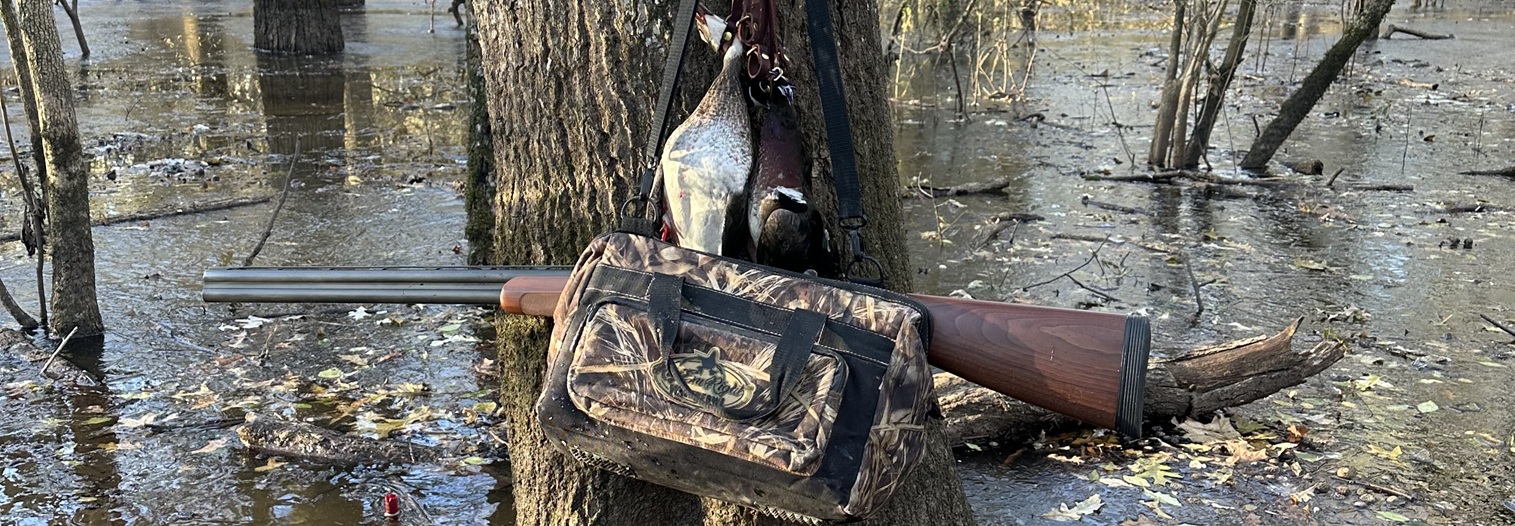
Receiving a hunting citation can be overwhelming, especially when you are facing potential license suspension, asset forfeiture, and criminal charges. The actions you take immediately after receiving a citation can significantly impact the outcome of your case. Here is a step-by-step guide to protecting your rights and improving your chances of a favorable resolution.
Immediate Actions (Within 24 Hours)
Stay Calm and Be Respectful: Your interaction with the Game Warden continues even after the citation is issued. Remaining cooperative and respectful can sometimes influence how the officer writes the report, whether additional charges are filed, how a plea is negotiated in criminal court and how the officer may help or hinder your administrative hearing outcome.
Read Everything Carefully: Citations contain crucial information including court dates, bond requirements, and administrative deadlines. Misunderstanding these details can result in additional penalties or forfeiture of your rights.
Document the Scene: Take photographs of the area, your equipment, harvested game, and any relevant conditions. GPS coordinates, weather conditions, and time of day can all be important to your defense. Having spent countless hours in Arkansas’s remote hunting areas — from the isolated sloughs accessible only by pirogue to the deep timber where cell service disappears — I know how important it is to document conditions that might explain apparent violations.
Preserve Evidence: Do not alter, dispose of, or modify any equipment, tags, licenses, or other evidence related to your citation. This includes resisting the urge to “clean up” your blind or stand area. Even basic maintenance like brushing blinds or clearing shooting lanes could be viewed as tampering with evidence if done after receiving a citation.
Contact an Attorney: Even if you plan to handle the case yourself initially, consult with a hunting law attorney as soon as possible. Many attorneys offer free consultations and can provide valuable guidance about the severity of your situation.
First Week Actions
Understand Your Charges: Research the specific violations for which you are cited. Arkansas hunting regulations are available online but understanding how they apply to your situation often requires professional interpretation.
Gather Documentation: Collect all relevant documents including licenses, permits, receipts, hunting journals, and any communications with guides or property owners. Organization now saves time and money later.
Identify Witnesses: Make a list of anyone who witnessed the events leading to your citation. Get contact information and ask them to preserve any photographs, videos, or other evidence they might have.
Review Financial Exposure: Calculate your potential financial exposure including fines, restitution, legal fees, and the value of any property that might be subject to forfeiture. This helps you make informed decisions about your defense strategy.
Check Interstate Implications: If you are licensed to hunt in other states, determine how an Arkansas conviction might affect your hunting privileges elsewhere. Interstate compacts can result in license suspension in your home state.
Administrative Response (Within 10-15 Days)
Respond to Administrative Notices: If you receive notice of potential license suspension, you typically have a limited time to request an administrative hearing. Missing this deadline often results in automatic suspension.
Request Administrative Hearing: Even if you plan to fight the criminal charges, request an administrative hearing to protect your hunting privileges. These are separate proceedings with different standards and potential outcomes. Yes, you can resolve your criminal charges and still lose hunting privileges.
Post Required Bonds: Certain violations require posting bonds to prevent immediate license suspension or property forfeiture. Understand bond requirements and deadlines.
Consider Temporary Restrictions: While your case is pending, consider voluntarily avoiding hunting activities that might result in additional violations or complicate your existing case.
Building Your Defense
–Hire Qualified Legal Counsel: If your case involves serious charges, valuable property, or potential license suspension, invest in qualified legal representation. The cost of an attorney is often less than the financial consequences of conviction.
Investigate the Stop: Game Wardens must have reasonable suspicion to stop and search hunters for criminal activity. Constitutional violations during the stop can result in dismissal of charges or suppression of evidence.
Challenge Evidence: Equipment malfunctions, officer errors, and procedural violations can all provide grounds for challenging the evidence against you. Professional evaluation of the evidence is crucial.
Explore Plea Options: Even strong cases sometimes benefit from plea negotiations. Reduced charges, alternative penalties, or deferred adjudication might be available depending on your circumstances and history.
Court Preparation
Understand Court Procedures: Arkansas hunting violation cases are typically heard in local district courts with specific procedures and local practices. Familiarize yourself with the court’s requirements and expectations.
Prepare Your Testimony: If you plan to testify, prepare thoroughly. Practice answering likely questions and understanding the difference between testimony in criminal court and administrative hearings.
Organize Evidence and Witnesses: Present evidence in a clear, organized manner. Prepare witnesses for testimony and ensure they understand the importance of their role.
Dress Appropriately: Court appearance matters. Professional attire demonstrates respect for the court and can influence how judges and prosecutors view you.
Long-Term Considerations
Plan for Consequences: Even successful defense of criminal charges might result in administrative penalties. Plan for potential license suspension, equipment loss, or other consequences.
Consider Appeals: Both criminal convictions and administrative decisions can often be appealed. Understand appeal deadlines and requirements.
Evaluate Prevention Strategies: Use this experience to improve your hunting practices. Additional education, equipment upgrades, or changed hunting locations might prevent future violations.
Maintain Records: Keep complete records of your case including all court documents, receipts, and correspondence. These records might be important for future hunting license applications or legal proceedings.
Common Mistakes to Avoid
Ignoring Administrative Deadlines: Criminal court dates are obvious, but administrative deadlines are often missed because they are less familiar to most hunters.
Talking to Prosecutors Without Counsel: Anything you say can be used against you in both criminal and administrative proceedings.
Disposing of Evidence: Never throw away, modify, or “clean up” anything related to your citation until your case is completely resolved.
Continuing to Hunt: Additional violations while your case is pending can result in enhanced penalties and demonstrate a pattern of non-compliance. Speak with a qualified attorney to determine your next move.
Assuming it is Minor: Even citations that seem minor can have dire consequences. Every hunting violation deserves careful consideration and appropriate response.
The key to successfully managing a hunting citation is immediate, appropriate action. The decisions you make in the first few hours and days after receiving a citation often determine your case’s outcome.
Frequently Asked Questions (FAQ)
Do I Really Need an Attorney for a Hunting Violation?
While not legally required, an attorney is highly recommended for any hunting violation that could result in license suspension, significant fines, or asset forfeiture. Even seemingly minor violations can have serious consequences that are not obvious to non-lawyers. The cost of legal representation is often less than the long-term financial impact of a conviction.
Can I Lose My Hunting Privileges in Other States for an Arkansas Violation?
Yes. Arkansas participates in interstate compacts that share violation information with other states. A hunting violation in Arkansas can result in license suspension in your home state and any other states where you hunt. The impact varies by state and violation type.
What is the Difference Between Criminal Court and Administrative Hearings?
Criminal court determines whether you are guilty of violating hunting laws and imposes fines, jail time, or probation. Administrative hearings determine whether your hunting privileges should be suspended or revoked. These are separate proceedings with different rules, evidence standards, and potential outcomes.
If I am Not Convicted in Criminal Court or My Charge Was Amended to a Non-Hunting Violation, Are My Problems Over?
Not necessarily. The AGFC administrative process continues regardless of the outcome of your criminal case.
Can Game Wardens Search My Vehicle Without a Warrant?
Game Wardens have broader search authority than regular police officers when enforcing hunting laws. They can search vehicles, equipment, and harvested game based on reasonable suspicion of hunting violations. However, constitutional protections still apply, and illegal searches can result in evidence suppression.
How Long Do Hunting Violations Stay on My Record?
Criminal convictions for hunting violations become part of your permanent criminal record. Administrative violations remain on your hunting record indefinitely and can affect future license applications, penalties for subsequent violations, and hunting opportunities. Points for license suspension and revocation are totaled on a rolling, 5-year basis.
What Happens if I Cannot Afford to Pay Fines or Restitution?
Arkansas courts can establish payment plans for fines and restitution. However, failure to pay can result in license suspension, additional penalties, and jail time. Contact the court immediately if you are unable to pay as ordered.
Can I Hunt While My Case is Pending?
Unless specifically prohibited by court order or administrative action, you can typically continue hunting while your case is pending. However, additional violations during this time can result in enhanced penalties and complicate your defense.
What if I Was Hunting with a Guide When the Violation Occurred?
Both hunters and guides can be held responsible for violations. Your contract with the guide may affect financial responsibility, but it typically does not eliminate your legal liability for violations.
Do Hunting Violations Affect Gun Ownership Rights?
Most hunting violations are misdemeanors that do not affect federal gun ownership rights. However, felony hunting violations can result in loss of gun ownership rights under federal law. Violations might also trigger state-specific gun restrictions.
Can I Represent Myself in Hunting Violation Cases?
Yes, you have the right to represent yourself in both criminal court and administrative hearings. However, hunting law is complex, and the consequences of mistakes can be severe. Self-representation is not recommended for serious violations or cases involving asset forfeiture.
What is the Statute of Limitations for Hunting Violations in Arkansas?
Most hunting violations must be prosecuted within one year of discovery. However, serious violations may have longer limitation periods, and the discovery rule can extend time limits in cases where violations are not immediately apparent.
How Do I Get My Hunting License Back After Suspension?
License reinstatement requirements vary based on the reason for suspension. You typically must complete any required education courses, pay all outstanding fines and restitution, and submit a reinstatement application with fees. Certain suspensions require waiting periods before reinstatement is possible.
Can Hunting Violations Affect My Employment?
Hunting violations can affect employment in hunting-related industries, law enforcement, jobs requiring security clearances, and positions involving professional licenses. Background checks may reveal hunting violations, and employers may consider them relevant to job performance or character.
What if I Disagree with the Game Warden's Version of Events?
You have the right to contest the charges in both criminal court and administrative hearings. Gather evidence, identify witnesses, and consider hiring an attorney to help present your version of events effectively.
Are There Alternatives to Traditional Penalties for Hunting Violations?
Arkansas offers various alternative penalties including community service, hunter education courses, habitat improvement projects, and deferred adjudication programs. Eligibility varies based on the type of violation, your history, and local prosecutor policies.
Meet Your Attorney
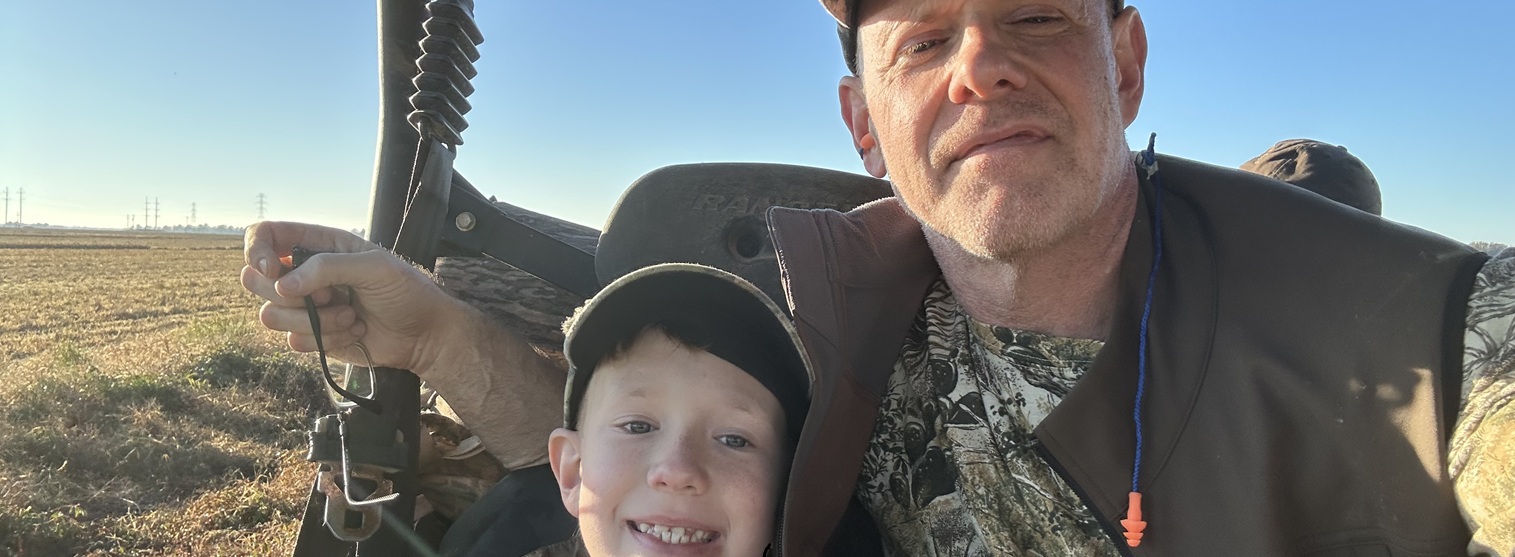
Stewart A. Whaley, JD
Whaley Law
Little Rock | Stuttgart
When facing Arkansas hunting violations, experience matters. As a practicing attorney and outdoorsman, I have dedicated my career to protecting the rights of hunters throughout Arkansas and beyond.
Professional Background and Experience
With years of criminal defense and administrative law experience and a lifetime of Arkansas hunting, I have defended cases ranging from simple violations and administrative hearings to complex prosecutions. My practice combines traditional criminal defense with extensive knowledge of hunting regulations, administrative law and professional license defense.
Education and Credentials
- Juris Doctor, William H. Bowen School of Law
- Licensed in all Arkansas district and circuit courts.
- Admitted to practice in the Eastern and Western Federal Districts of Arkansas
- Member, Arkansas Association of Criminal Defense Lawyers
- Member, National Association of Criminal Defense Lawyers
Why Whaley Law?
Client-Centered Approach
I am not just an attorney who handles hunting cases — I am an Arkansan and hunter who understands the stakes when you receive a citation. Growing up in Phillips County, surrounded by the St. Francis National Forest and the Mississippi delta, I have experienced Arkansas hunting from every angle.
I have spent countless mornings busting ice and tossing decoys, cursed at dead motors, felt the high of having more mallards than shells, and the lows of distant shotguns teasing someone’s success. From hanging tree stands for Hot Springs Village bow hunts to sitting in the spring rain waiting on a big ol’ Tom, I understand the dedication, time, and money you invest in your pursuit.
Hunting is not only recreation; hunting is heritage, tradition, and a way of life. When your hunting privileges are threatened, you need someone who understands the law and the culture — someone who knows the difference between a greenhead and a gallinule, understands why the Stuttgart coffee shop conversations matter, and appreciates what it means when a family hunting lease gets passed down through generations.
Every hunting violation case is different, and every client has different priorities. Some hunters need aggressive litigation to protect valuable property or professional licenses. Others benefit from negotiated resolutions that minimize long-term consequences. I work with each client to understand their goals and develop strategies that protect what matters most to them.
Contact Information
Don’t let hunting violations threaten your privileges, property, or freedom. Contact me immediately for a confidential consultation about your case.
Stewart A. Whaley, JD
Whaley Law
Email: stewart@whaley.law
Phone: (501) 431-0360
Website: whaley.law
323 Center Street, Suite 1030
Little Rock, AR 72201
413 East Michigan Street
Stuttgart, AR 72160
Initial Consultation
I offer a free initial consultation for all hunting violation cases. During this consultation, we will review the charges against you, discuss potential consequences, and develop a strategy for protecting your rights and interests.
Payment Options
I understand that hunting violations can create unexpected financial burdens. I offer flexible payment arrangements and accept credit cards, payment plans, and in some cases, contingency fee arrangements for asset forfeiture cases.
The Bottom Line
When you are facing hunting violations in Arkansas, you need an attorney who combines legal expertise with genuine understanding of hunting culture and traditions. You need someone who will fight for your rights while respecting the wildlife conservation principles that make hunting possible for future generations.
Your hunting heritage is worth protecting. Let me help you protect it.
This guide provides general information about Arkansas hunting law and is not intended as legal advice for specific situations. Hunting regulations change frequently, and individual cases present unique circumstances requiring professional legal analysis. If you are facing hunting violations, consult with a qualified attorney immediately to protect your rights and interests.